

Syska Hennessy started Syska Innovations, our innovation and venture-capital entity, to support change in the AEC industry. We think the industry is primed for disruption and, as we mentioned in our previous blog post, we want to be a part of it. From our perspective, technology startups in AEC are a fundamental source of major change. That’s why a big part of the Syska Innovations mission is to evaluate startups for investment, introduce them to project teams at Syska Hennessy, and help them to address the most pressing challenges in the AEC industry.
You might be wondering how we determine which startups to work with. Although no two startups are the same, we’ve identified three characteristics that the most promising ones share:
So here goes – Syska Innovations’ Top Three Characteristics of Great Startups:
1) Team – Experienced, Connected, and Competitive
Evaluating startups is a lot like storytelling: The problem statement is a plot, potential customers are characters, the value proposition is a theme, financial milestones are key scenes. We’re looking for stories that will end with “happily ever after,” and that is largely determined by actions of the heroes – the members of the startup team. Tech in design and construction is really hard for a lot of reasons, so our startup heroes need to overcome a lot of adversity — field superintendents who don’t want to change, project managers with no budget, executives who don’t want to take risks, and any number of other “villains.”
The strengths and weaknesses of the team as a group, formed through its work experiences and background, is a key part of this storytelling because it makes overcoming the adversity credible. A team that’s connected to the industry, as opposed to a team from an outside industry with no direct experience, also adds credibility. And the team must show a desire to win because it’s hard to imagine a passive technology story.

2) Underlying Magic Leading to Unfair Advantages
Guy Kawasaki is a Silicon-Valley based author, speaker, entrepreneur, and evangelist, and he promotes the use of only ten slides to pitch startups. One of these ten slides is the “Underlying Magic” slide — “…describe the technology, secret sauce, or magic behind your product.” For the AEC industry, this is a very important characteristic because we predict venture capital will pour into the industry in the very near future. When this happens, technology startups need to protect their turf. That’s why we look for the underlying magic that creates unfair advantages: These create barriers to entry for “fast follower” startups and lower the availability of alternatives to a startup’s technology.
The underlying magic for a tech startup sounds like it has to be technology, like some patentable algorithm, innovative sensor, or tough integration. But sometimes underlying magic is the experience of the team members. The design and construction industry currently relies on the value of people and their experience above all else, so underlying magic could be the trust of a massive client, a touchstone project that’s been delivered using the technology, or the understanding of a specific sales process in AEC. In short, underlying magic can take many forms, but the goal should be that it creates an unfair future advantage that’s difficult to replicate.
3) Credible, Thoughtful Go-To-Market Plan
The purpose of venture funding is not to buy foosball tables in a fancy, shiny office. The purpose of venture funding is to achieve objectives. Syska Innovations focuses on early-stage startups, most of whom have yet to hit significant sales, so the go-to-market plan is a description of the near-term actions to achieve proof of traction for a technology concept. The plan must be credible and the more proof of credibility, like early customers, sales, or testimonials, the better.
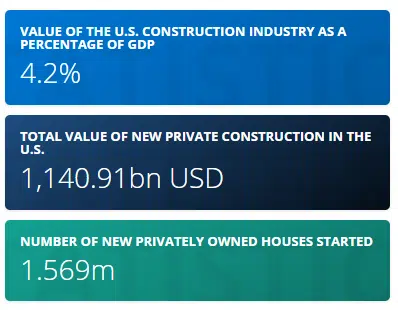
The go-to-market plan must be intentional and not simply stolen from an example deck on the internet. The construction industry is very large, and using percentages as a basis for growth isn’t as valid as in other industries because the percentages defy logic. A startup cannot plausibly say that it will capture 1% of the total addressable market in the third quarter because that number is so large — A young startup simply couldn’t handle the sales, support, and customer success load. So the go-to-market plan needs to be specific to geographies, verticals, or specialties.
In summary, Syska Innovations believes startups will be fundamental to disruption in the design and construction industry. While no two startups are alike, we think the three most important evaluation criteria for startups are the team, underlying magic, and go-to-market plan. If those three elements are weak or poorly described when we hear a pitch, it creates deep questions in our minds about the credibility of the story and plan that we’re being asked to support.
If you’re dreaming of changing the AEC industry and you meet our top three criteria, then we’d love to hear from you. Please reach out to our Chief Technical Officer, Robert Ioanna at rioanna@syska.com if you have any questions.